
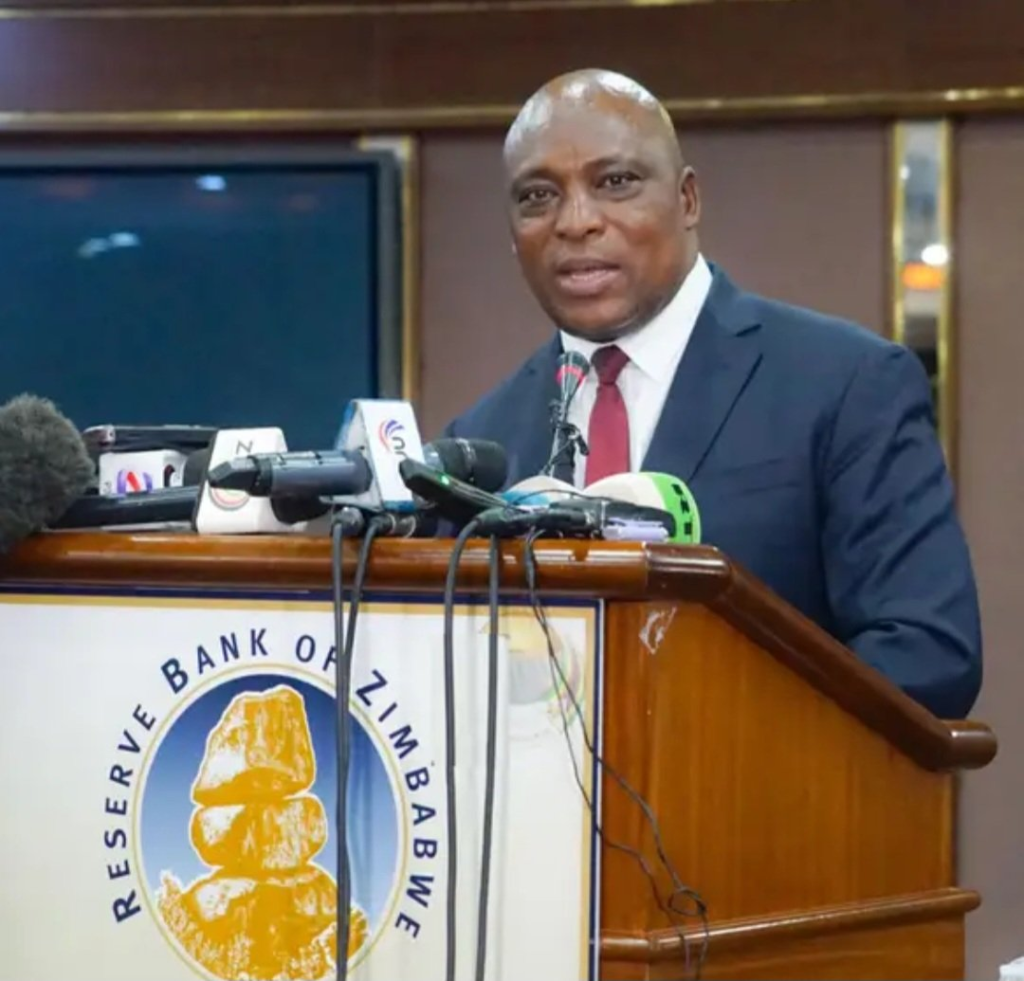
The Reserve Bank of Zimbabwe (RBZ) says it has brought some calm to the country’s troubled economy. After years of rising inflation, currency chaos, and public frustration, the central bank claims that its recent moves are finally making a difference. But while these early signs look promising on paper, many Zimbabweans are asking a simple question: can this last?
Following its December 3, 2024 meeting, the RBZ Monetary Policy Committee (MPC) announced that inflation and the exchange rate are now more stable. According to the committee, this success is due to tight money supply controls, new currency rules, and a direct injection of US$150 million into the foreign exchange market.
The numbers sound encouraging. In October, inflation stood at a painful 37.2%. By November, it had dropped sharply to 11.7%. The RBZ says this was mostly because the Zimbabwean dollar (ZiG) lost value badly in September, pushing prices up. But since then, they say, things have improved.
On the exchange rate side, the gap between the official and black market rates has reportedly narrowed. This is often a key sign of currency stability. Strong foreign currency inflows have also helped, with Zimbabwe bringing in US$11.05 billion during the first ten months of 2024 — up from US$9.27 billion in the same period last year.
To maintain this stability, the RBZ has kept its tough policies in place. These include a high Bank Policy rate of 35% and strict reserve requirements for banks — 15% for savings and time deposits, and 30% for demand and call deposits. The goal is to keep speculation low and control the amount of money circulating in the economy.
There are also new rules for corporate tax payments. Companies must now pay 50% of their taxes in US dollars and the other 50% in Zimbabwean dollars. The RBZ hopes this will increase the supply of US dollars on the market and help strengthen the local currency.
But while the central bank sees progress, it also knows that these tight policies can slow down business growth. To ease the burden, the RBZ plans to launch a Targeted Finance Facility (TFF) to support struggling companies. Details will be shared soon with commercial banks.
For now, the RBZ is holding its line. It says it will continue monitoring the situation and will adjust if needed. The aim is to keep both inflation and the exchange rate under control — two things Zimbabwe has struggled with for years.
Still, many Zimbabweans remain cautious. They have heard these promises before. The question is whether this newfound “stability” can survive political uncertainty, corruption, and the government’s ongoing power struggles.
People also remember that inflation has fallen before — only to rise again within months. They know that exchange rate improvements often disappear once the next crisis hits. So while the RBZ’s efforts are a step in the right direction, they are only one part of a much bigger picture.
The real test will come in the months ahead. Can the government stay disciplined? Will the currency reforms continue? And most importantly, will these changes bring real relief to ordinary people who are tired of price hikes and economic hardship?
For now, the RBZ is asking Zimbabweans to believe again. But trust, once lost, is hard to win back — and it will take more than a few months of falling inflation to prove that the worst is finally behind us.