
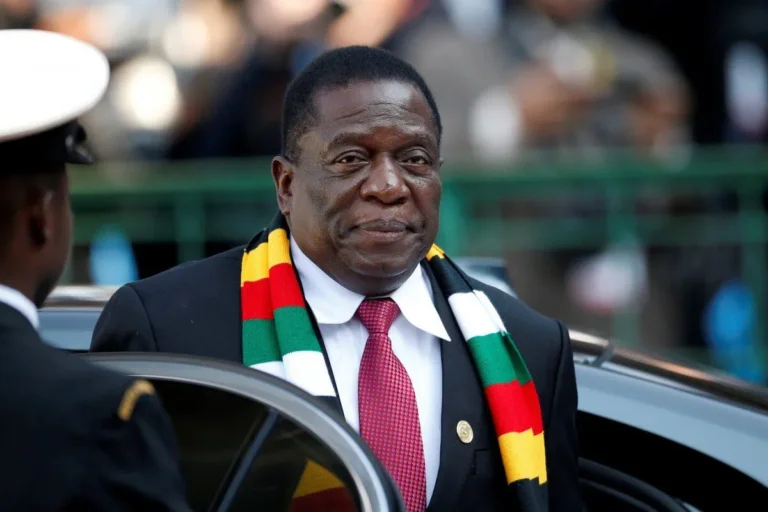
Zimbabwe’s President Emmerson Mnangagwa is once again rolling out the red carpet—not for his own people, but for regional leaders and foreign dignitaries arriving for the upcoming Southern African Development Community (SADC) summit this August. Roads are being repaved, villas are being built, and the once-ailing Meikles Hotel is now gleaming under the new name Hyatt Regency Harare. The nation is being dressed up like a bride on borrowed money, hoping that the shine distracts from the rot underneath.
Mnangagwa wants to showcase Zimbabwe as a country on the rise. But behind the glitter of Mount Hampden’s new Parliament building and freshly polished walkways lies a population suffocating under poverty, economic chaos, and state repression. The timing of this summit—coming less than a year after Zimbabwe’s deeply disputed elections—reveals the true goal behind these grand renovations: to launder Mnangagwa’s damaged reputation.
He is not the first leader to try this trick. Across the world, authoritarian regimes build lavish stadiums, glittering airports, and towering hotels when foreign dignitaries come to town. It’s political theater. The audience is regional leaders, international media, and donor agencies. The plot is simple: make it look like things are working.
But the Zimbabwean people are not fooled. They know that a five-star hotel doesn’t make up for a collapsed health system. They know a luxury villa for SADC heads of state doesn’t mean anything when you can’t afford to send your child to school. And they certainly know that resurfaced roads won’t fix the broken promises of ZANU PF’s 44 years of ruin.
This is not governance—it is misdirection. While Mnangagwa paves over potholes, inflation is eating away at salaries. While he refurbishes hotels for elites, nurses and doctors are walking out of hospitals with empty pockets. And while he installs marble floors for foreign ministers, he lets ordinary citizens die in queues for fuel, medicine, and clean water.
The irony is cruel. The very people being evicted from informal settlements or taxed into poverty are now being told to take pride in new buildings they will never enter. The “national pride” being paraded is not meant for them—it’s meant for those sipping cocktails at state banquets, not for those hustling for mealie-meal in collapsing townships.
Mnangagwa’s desperation for legitimacy is clear. Last year’s elections were condemned by the SADC observer mission for not meeting democratic standards. Since then, he has tried everything—arresting opposition leaders, silencing dissent, pushing propaganda through state media—to rewrite that verdict. The SADC summit is his next big shot at redemption. If he can impress enough leaders, if he can buy enough silence, maybe he can bury that report and extend his grip on power.
But legitimacy cannot be bought with villas. It cannot be painted onto roads. It cannot be staged for TV cameras. Real legitimacy comes from serving the people—not from staging pageants for presidents.
Zimbabwe needs investment, yes—but investment in people. Schools. Hospitals. Housing. Clean water. Jobs. Affordable transport. A working economy. Not in glass towers and banquet halls. Not in Potemkin villages for foreign guests.
The danger of this summit spectacle is that it creates a false picture. A fantasy. A lie. And lies are dangerous. They create complacency among outsiders. They silence the voices of the suffering. They embolden the powerful to keep abusing power.
If SADC leaders walk through Harare’s newly swept streets and believe the illusion, they will become complicit in Mnangagwa’s deception. They will be shaking hands not with a visionary leader, but with the architect of economic ruin and democratic collapse.
The world must see past the paint. Past the pavement. Past the pageantry. Real progress is not about how a capital city looks during a summit—it’s about how its citizens live when the cameras leave.
Zimbabweans are not asking for red carpets. They are asking for dignity, fairness, and a future. They deserve leaders who invest in lives, not luxury.
And so, as the SADC summit nears, the real question is not how polished Zimbabwe looks—it’s whether the region will continue to be dazzled by the stage lights or finally listen to the cries coming from behind the curtains.